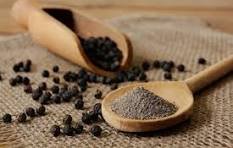
Pepper—especially black pepper (Piper nigrum)—has long been used not only as a spice but also for its traditional medicinal properties.
Medicinal Values of Black Pepper
1. Aids Digestion
- Piperine, the active compound, stimulates digestive enzymes.
- Helps increase secretion of hydrochloric acid in the stomach, improving digestion.
- Traditionally used to reduce gas, bloating, and constipation.
2. Enhances Nutrient Absorption
- Piperine boosts the bioavailability of various nutrients and herbs.
- Enhances absorption of:
- Turmeric (curcumin)
- Vitamins (A, C)
- Selenium
- Beta-carotene
This is why pepper is used in many herbal formulations with turmeric.
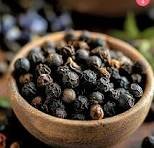
3. Rich in Antioxidants
- Contains high levels of antioxidants that help combat oxidative stress and cell damage.
- May support healthy aging and lower inflammatory stress in the body.
4. Anti-inflammatory Properties
- Piperine has mild anti-inflammatory effects.
- Traditionally used to soothe inflammation and joint discomfort.
5. Supports Weight Management
- May help stimulate metabolism.
- Piperine has been studied for its potential role in reducing fat cell formation.
6. Antimicrobial Effects
- Black pepper has natural antibacterial properties.
- Historically used to preserve food and treat mild infections.
7. Respiratory Relief
- Often used in traditional remedies for coughs, colds, and sinus congestion.
- Acts as a natural decongestant and expectorant when taken with honey or in teas.
8. Cognitive Support
- Piperine may enhance brain function and memory.
- Sometimes studied for its possible benefits in neurodegenerative conditions (research is ongoing).
9. Blood Sugar Support
- Some studies suggest pepper may help improve blood sugar control by enhancing insulin sensitivity.
Excessive pepper can irritate the stomach.People with gastric ulcers, acid reflux, or GI sensitivity should use it cautiously.Consult a healthcare provider when combining pepper with medications, as piperine can alter drug absorption.

How it can help cold

Natural Decongestant
- Piperine in black pepper helps loosen mucus.
- Stimulates circulation and warms the body, which helps clear nasal passages.
2. Helps Expel Mucus (Expectorant)
- Promotes easier coughing out of phlegm.
- Useful for chest congestion, sinus congestion, and runny nose.
3. Antimicrobial Properties
- Has mild antibacterial effects that may help fight the microbes responsible for cold symptoms.
4. Boosts Bioavailability of Remedies
- When combined with turmeric, ginger, or honey, pepper increases their absorption and effectiveness.
5. Enhances Throat Relief
- Its warming effect can soothe irritation in the throat.
Simple Home Remedies Using Black Pepper for Cold

1. Black Pepper + Honey
A classic remedy for cold, cough, and phlegm.
How to prepare:
- Mix 1/4 teaspoon black pepper powder with 1 teaspoon honey.
- Take 1–2 times a day.
Benefits:
- Relieves irritated throat
- Reduces cough
- Clears mucus

2. Black Pepper Tea
A warming drink that helps open nasal passages.
How to prepare:
- Boil 1 cup of water
- Add 1/2 teaspoon crushed black pepper
- Optional: add ginger and a little honey
Drink warm.
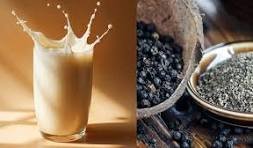
3. Black Pepper + Turmeric Milk
Great for nighttime relief and boosting immunity.
How to prepare:
- Heat a cup of milk
- Add 1/4 tsp turmeric and a pinch of black pepper
- Sweeten with honey (optional)
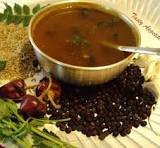
4. Pepper Rasam / Pepper Soup
Traditional in Indian households for cold and fever.
Warms the body, clears sinuses, and helps digestion—important when sick.

Avoid excess pepper if you have ulcers, acid reflux, or gastritis. Not suitable for infants. Use sparingly if taking strong medications—pepper increases drug absorption.