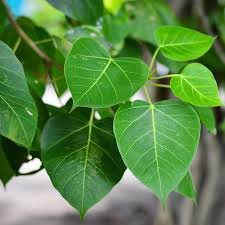
The Peepal tree, scientifically known as Ficus religiosa, holds a special place in the hearts of people across India and other parts of Asia. It is considered sacred in Hinduism, Buddhism, and Jainism, making it one of the most revered trees in religious and cultural traditions. Worshiping the Peepal tree is not only a spiritual practice but also a symbol of life, longevity, and wisdom.
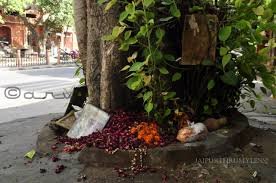
In Hinduism, the Peepal tree is believed to be the abode of Lord Vishnu and Lord Krishna. Devotees often offer prayers, water, and flowers to the tree, especially on Saturdays or religious festivals, to seek blessings for prosperity, health, and protection from negative energies. The tree’s large, heart-shaped leaves and ever-growing nature symbolize eternal life and fertility, which adds to its spiritual importance.

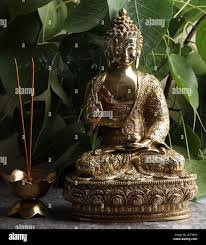
For Buddhists, the Peepal tree is highly significant because Siddhartha Gautama, who became the Buddha, attained enlightenment under a Peepal tree. This sacred connection has made the tree a symbol of knowledge, meditation, and spiritual awakening. Pilgrims often meditate or sit beneath Peepal trees to find peace and focus, following the example of the Buddha.
The Peepal tree is also valued for its environmental and health benefits. Traditionally, people believe that it purifies the air, releases oxygen, and even has medicinal properties. Its shade provides comfort and protection, symbolizing nurturing and shelter, which aligns with the spiritual symbolism of care and sustenance.
Cultural practices surrounding the Peepal tree include circumambulation (pradakshina), offering water, and tying sacred threads around its trunk. These rituals are believed to ward off evil, bring good fortune, and strengthen spiritual energy. Such traditions have been passed down for generations, reinforcing the tree’s sacred status in communities.
In summary, the Peepal tree is worshiped because of its religious significance, symbolic value, spiritual association with enlightenment, environmental benefits, and cultural practices. It is more than just a tree; it is a living symbol of devotion, wisdom, and life itself.