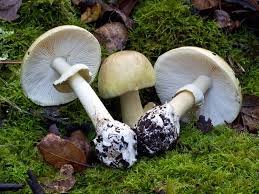
Death cap mushrooms (Amanita phalloides) are widely known as the most dangerous mushrooms on Earth. Responsible for the majority of fatal mushroom poisonings worldwide, these fungi pose a serious risk to hikers, foragers, and even curious gardeners.
What Are Death Cap Mushrooms?
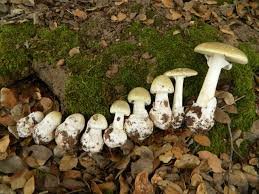
Death caps are a toxic mushroom species containing amatoxins, chemicals that cause irreversible liver and kidney damage. These toxins cannot be removed by cooking, drying, freezing, or boiling-making the mushroom lethal in any form.
Where Are Death Cap Mushrooms Found?
Death caps originally came from Europe, but today they are found in many regions of the world, largely due to the movement of soil and imported trees.
Regions Where Death Caps Commonly Grow
- Europe (native and widespread)
- North America (especially the West Coast and Northeast USA)
- Australia (rapidly spreading in urban parks and forests)
- Asia (including parts of East Asia and West Asia)
- South America (less common, but present in select areas)
- South Africa (introduced species)
They usually grow:
- Under oak, chestnut, hazel, and pine
- In moist forests, parks, gardens, and landscaped areas
- During late summer to fall, depending on climate
How to Identify Death Cap Mushrooms
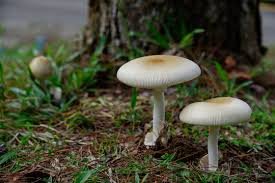
Many edible mushrooms look nearly identical to death caps. Identification mistakes are common even among trained foragers.
General traits seen in death caps:
- Cap: greenish, yellowish, sometimes brownish; smooth and rounded
- Gills: white (never brown)
- Stem: white with a ring
- Base: a cup-like sac (volva), usually partially buried
- Odor: faintly sweet or honey-like when mature
Because look-alikes exist, never eat wild mushrooms based on appearance alone.
How Dangerous Are Death Cap Mushrooms?
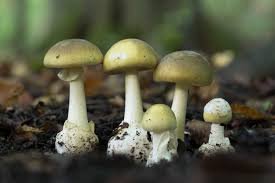
Death caps are extremely dangerous and often fatal.
Toxic Effects
- Severe vomiting and diarrhea (6–12 hours after ingestion)
- Temporary improvement (misleading “recovery” period)
- Rapid liver and kidney failure
- Possible need for liver transplant
- Death within 2–7 days without urgent medical care
Even half a cap can kill an adult.
Which Regions of the World Use/Encounter Them Most?
Death caps are not used as food anywhere, because they are lethal.
However, accidental consumption happens commonly in:
- Europe – foraging mistakes
- North America – confusion with local edible species
- Asia – high rates of mushroom-foraging culture
- Australia – poisoning incidents in cities due to rapid spread
All known human interactions with death caps are accidental, never culinary.
What Precautions Must Be Taken if Someone Eats a Death Cap?
If you suspect ingestion:
1. Seek Emergency Medical Help Immediately
- Go to the nearest emergency department.
- Early treatment dramatically increases survival.
2. Do NOT Induce Vomiting
Leave this to medical professionals.
3. Save Mushroom Samples
Keep any remaining mushroom or vomit sample for medical identification.
4. Do Not Wait for Symptoms
Symptoms start late—by the time they appear, damage is already severe.
How to Stay Safe Around Wild Mushrooms
- Never eat a wild mushroom unless identified by a trained mycologist.
- Avoid foraging apps—they are not reliable for poisonous mushrooms.
- Teach children not to touch or taste wild fungi.
- Keep pets away from mushrooms in the yard.
Conclusion
Death cap mushrooms are among the deadliest organisms in nature, responsible for the majority of fatal mushroom poisonings worldwide. Found across Europe, North America, Australia, Asia, and beyond, they are widespread and often resemble edible species leading to tragic accidents.
Understanding where they grow and why they’re dangerous is essential, but only trained experts should ever attempt identification. If ingestion occurs, seek emergency medical care immediately.