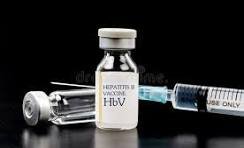
The Hepatitis B vaccine is one of the world’s most widely used and safest vaccines. It protects millions of people from a highly infectious virus that can silently damage the liver for years.
What Is Hepatitis B and Why Is the Vaccine Given?
- Acute hepatitis
- Chronic lifelong infection
- Liver cirrhosis
- Liver failure
- Liver cancer (hepatocellular carcinoma)
HBV is so contagious that it is considered far more infectious than HIV. Many infected people don’t show symptoms, making it easy to spread without knowing.
Why the vaccine is given:
- It protects against severe, life-threatening liver disease
- It prevents chronic infection, especially in newborns
- It reduces the spread of HBV in the community
- It is one of the world’s first cancer-preventing vaccines
Today, the vaccine is routinely given:
- At birth
- In childhood
- To adults at risk
- To anyone who wants protection
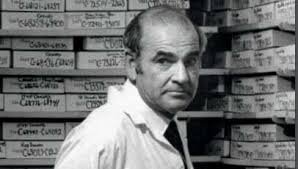
History of the Hepatitis B Vaccine
The journey of the vaccine spans decades:
- 1965: Dr. Baruch Blumberg discovered the Hepatitis B virus.
- 1976: First vaccine created using plasma from infected individuals.
- 1981: Plasma-derived vaccine approved.
- 1986: Modern recombinant vaccine introduced—much safer and easier to produce.
- Today: Almost all Hepatitis B vaccines are recombinant, extremely purified, and widely used worldwide.
This medical breakthrough dramatically reduced rates of liver cancer and chronic hepatitis in many countries.
How the Hepatitis B Vaccine Is Made (Simple Explanation)
Modern Hepatitis B vaccines do NOT contain the virus itself. They only contain a purified viral protein that trains your immune system to protect you.

Here’s how the vaccine is safely made:
1. Identifying the protective antigen (HBsAg)
Scientists isolate the gene for the Hepatitis B surface antigen — the part of the virus your immune system can recognize.
2. Inserting the gene into yeast
A harmless yeast species (Saccharomyces cerevisiae) is used.
The yeast produces only the surface protein — not the virus.
3. Growing the yeast
The yeast is grown in fermentation tanks where it continuously produces the protective protein.
4. Purification
The protein is purified through multiple filtration steps to remove all yeast components.
5. Formulation
The purified protein is mixed with aluminum salts, an adjuvant that boosts the immune response safely.
6. Packaging and safety testing
Every batch undergoes strict testing before being released for public use.
This method is called recombinant DNA technology, and it has been used safely for decades in medicines like insulin.
Side Effects and Safety of the Hepatitis B Vaccine
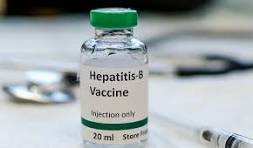
he Hepatitis B vaccine is considered one of the safest vaccines ever developed. It has been given to hundreds of millions of people.
Common, mild side effects:
- Soreness where the shot was given
- Mild fever
- Fatigue
- Headache
- Temporary irritability in infants
These effects usually last 1–2 days.
Less common:
- Mild joint pain
- Slight nausea
Extremely rare:
- Severe allergic reactions (about 1 per million doses)
Myths it does not cause:
- Hepatitis infection
- Immune weakness
- DNA changes
- Infertility
- Autism
Extensive research consistently shows the vaccine is safe for:
- Newborns
- Children
- Adults
- Pregnant people
- Immunocompromised individuals
What Happens If You’re Not Vaccinated?
People who are not vaccinated have a much higher risk of:
- Acute hepatitis
- Chronic lifelong infection
- Cirrhosis
- Liver failure
- Liver cancer
For newborns, the risk of chronic infection is especially high up to 90% if exposed.
Risk Factors for Hepatitis B Infection
Anyone can get HBV, but certain groups are at higher risk.
Being born to an infected mother
This is the highest-risk situation.
Unprotected sex
Especially with multiple partners or with an infected partner.
Contact with infected blood
Including:
- Sharing needles
- Sharing razors or toothbrushes
- Non-sterile tattoo or piercing equipment
Healthcare exposure
Doctors, nurses, dentists, lab techs, and first responders face increased risk.
Living in or traveling to high-prevalence areas
Such as East/Southeast Asia, Sub-Saharan Africa, and some Pacific Islands.
Household contact with an infected person
Sharing personal items can spread HBV.
Chronic medical conditions requiring blood handling
Such as dialysis or frequent transfusions.
Injection drug use
Sharing needles greatly increases risk.
Occupational exposure
Workers in correctional facilities, shelters, or public safety roles.
Who Should Get Vaccinated?
Most countries recommend:
- All newborns
- All children and teens who missed earlier doses
- Adults with risk factors
- Anyone who wants protection
The vaccine is up to 98–100% effective after completing the full series.
Final Thoughts
The Hepatitis B vaccine is a proven, safe, and essential tool for preventing a serious and potentially lifelong infection. It protects individuals, families, and entire communities from liver disease and cancer. With decades of research and global use, it remains one of the most important vaccines available today.
FAQ: Hepatitis B Vaccine
Q1: What is the Hepatitis B vaccine?
A: The Hepatitis B vaccine protects against the Hepatitis B virus (HBV), which can cause acute or chronic liver infection, cirrhosis, liver failure, and liver cancer. It contains a harmless viral protein that trains the immune system to fight the virus.
Q2: Who should get the Hepatitis B vaccine?
A: The vaccine is recommended for:
- All newborns and children
- Adults with risk factors (healthcare workers, people with multiple sexual partners, injection drug users)
- Anyone who wants protection against HBV
Q3: How is the Hepatitis B vaccine made?
A: Modern Hepatitis B vaccines use recombinant DNA technology:
- Scientists isolate the Hepatitis B surface antigen (HBsAg) gene.
- The gene is inserted into yeast, which produces the protein.
- The protein is purified, mixed with a safe adjuvant (aluminum salts), and packaged.
The vaccine contains no live virus and cannot cause infection.
Q4: What are the side effects of the Hepatitis B vaccine?
A: Most side effects are mild and temporary:
- Soreness at injection site
- Fatigue, mild fever, headache
- Irritability in infants
Rarely, severe allergic reactions may occur (about 1 in a million doses).
Q5: What happens if I’m not vaccinated against Hepatitis B?
A: Unvaccinated individuals are at higher risk of:
- Acute Hepatitis B
- Chronic infection (especially newborns)
- Liver cirrhosis, liver failure, and liver cancer
Q6: Who is at risk for Hepatitis B infection?
A: Major risk factors include:
- Being born to an infected mother
- Unprotected sexual contact
- Sharing needles or personal items like razors
- Healthcare or occupational exposure to blood
- Living in high-prevalence regions
Q7: Is the Hepatitis B vaccine safe?
A: Yes. It is extremely safe for infants, children, adults, pregnant people, and immunocompromised individuals. It does not cause Hepatitis B, DNA changes, or other long-term health problems.