
What Is Ozempic? Benefits, Uses, Cost & Who Can Take It (Complete Guide)
If you’ve been researching treatments for type 2 diabetes or medications that support weight management, you’ve likely come across Ozempic. It’s one of the most talked-about injectable medications today praised for blood sugar control and notable weight-related effects. But what exactly is Ozempic, how does it work, and is it worth it? This guide breaks it down.
What Is Ozempic?
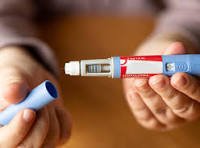
Ozempic is a prescription medication containing semaglutide, part of a class of medicines called GLP-1 receptor agonists. It’s administered once weekly by injection using a prefilled pen.
What Ozempic Is Approved For
- Managing blood sugar levels in adults with type 2 diabetes
- Reducing risk of major cardiovascular events (like heart attack or stroke) in adults with type 2 diabetes and heart disease
Although it is not officially approved for weight loss, many people experience significant weight reduction while using it, which is why it has become popular.
How Is Ozempic Useful?
1. Better Blood Sugar Control
Ozempic helps the body release insulin when blood sugar levels rise, which leads to:
- Lower fasting glucose levels
- Better A1C control
- Reduced blood sugar spikes after meals
2. Supports Weight Loss (Off-Label)
Ozempic delays stomach emptying and reduces appetite. As a result, many people report:
- Feeling fuller faster
- Reduced cravings
- Lower overall calorie intake
3. Heart Health Benefits
For those with type 2 diabetes and existing heart disease, Ozempic can:
- Lower risk of heart attack
- Reduce stroke risk
- Decrease probability of cardiovascular death
4. Weekly Injection (Convenient Routine)
Unlike daily medications, Ozempic is:
- Taken once a week
- Simple to administer with a pen device
- Easy to integrate into a routine
Advantages of Ozempic

Proven blood sugar reduction
Significant weight-related benefits
Cardiovascular protection
Reduced appetite and portion sizes
Convenient once-weekly dosing
May help prevent diabetes complications
Cost of Ozempic
The cost varies by region and insurance coverage, but on average:
- Without insurance: Usually $900–$1,200+ per month
- With insurance: Can range from low copay to partial coverage, depending on plan
- Savings programs: Some patients qualify for manufacturer discounts
(Exact costs depend on your location and pharmacy.)
Ozempic Cost in India (2025)
Weekly price (starting) – approx ₹2,200 per week for the lowest dose (0.25 mg) when prescribed by a doctor.
Monthly cost for 0.25 mg dose – about ₹8,800/month (4 weekly injections).
Monthly cost for higher doses: 0.5 mg — approx ₹10,170/month and 1 mg — approx ₹11,175/month
These prices reflect the official launch pricing from Novo Nordisk in India, and are expected to vary by pharmacy, city, dose strength, and availability.
Who Can Take Ozempic?
Approved For:
- Adults with type 2 diabetes
- Adults with type 2 diabetes who also need cardiovascular risk reduction
May Be Prescribed (Off-Label) To:
- Adults struggling with overweight or obesity, based on a clinician’s judgment
(Wegovy, another semaglutide product, is officially approved for weight loss.)
Not Suitable For:
- People with type 1 diabetes
- Individuals with a history of certain thyroid tumors
- Those with specific endocrine or gastrointestinal disorders
- Pregnant or breastfeeding individuals
A healthcare provider must determine eligibility based on medical history.
Is Ozempic Worth It?
Ozempic can be highly effective, especially for:
- People with type 2 diabetes who want better blood sugar control
- Those who want a medication that may also support weight management
- Patients with type 2 diabetes and heart disease
However, factors like cost, side effects, and long-term commitment matter. Many users find the benefits significant, but it’s important to work with a clinician to determine if it’s the right fit.
Final Thoughts
Ozempic is a powerful medication that offers benefits beyond standard diabetes treatments. With its ability to improve blood sugar, support weight loss, and protect heart health, it has become a leading option for many adults with type 2 diabetes.
If you’re considering Ozempic for diabetes or weight-related concerns, speak with a healthcare provider to see if it matches your goals and medical needs.
FAQs About Ozempic (Semaglutide)
1. What is Ozempic used for?
Ozempic is used to help adults with type 2 diabetes control blood sugar levels and reduce the risk of major heart-related events. Some doctors also prescribe it off-label for weight management.
2. How does Ozempic work?
Ozempic mimics a natural hormone (GLP-1) that regulates insulin, reduces appetite, slows digestion, and helps lower blood sugar levels.
3. What is the cost of Ozempic in India?
Ozempic starts at around ₹2,200 per week in India, depending on the dose. Monthly cost ranges ₹8,800–₹11,175, based on strength and pharmacy pricing.
4. How often do you take Ozempic?
Ozempic is a once-weekly injection taken on the same day each week, with or without food.
5. Can Ozempic help with weight loss?
Yes, many people experience weight loss due to reduced appetite and slower digestion. However, the medication is officially approved for type 2 diabetes, not as a weight-loss drug.
6. Who should not take Ozempic?
People with type 1 diabetes, certain thyroid tumors, or specific medical conditions should avoid Ozempic. Pregnant or breastfeeding individuals should also consult a doctor first.
7. What are the common side effects of Ozempic?
Common side effects include nausea, stomach discomfort, vomiting, diarrhea, and decreased appetite. Side effects usually lessen over time.
8. Is Ozempic worth it?
For many people with type 2 diabetes, Ozempic is worth it due to strong blood sugar control, weight-related benefits, and heart protection. Cost and medical suitability should be discussed with a healthcare provider.
9. Do I need a prescription for Ozempic in India?
Yes. Ozempic is a prescription-only medication and must be recommended by a licensed healthcare professional.
10. Is Ozempic safe for long-term use?
Clinical research suggests Ozempic can be used long term, but ongoing medical supervision is important to monitor effects and adjust dosage.