
Norovirus, commonly known as the winter vomiting bug or stomach bug, is one of the most common causes of gastroenteritis worldwide. It spreads very easily and can affect people of all ages, especially during colder months.
What Is Norovirus?
Norovirus is a highly contagious virus that causes inflammation of the stomach and intestines, leading to vomiting, diarrhea, nausea, and stomach cramps.
It is often called:
- Winter Vomiting Bug
- Stomach Flu (though it is not influenza)
- Viral Gastroenteritis
Norovirus infections usually last 1–3 days, but the virus can spread quickly in communities.
How Is Norovirus Caused?

Norovirus infection occurs when the virus enters the body through the mouth.
Common Causes:
- Eating contaminated food or drinking contaminated water
- Touching infected surfaces and then touching your mouth
- Close contact with an infected person
- Consuming raw or undercooked shellfish
Even a tiny amount of the virus is enough to cause infection.
From Where Does Norovirus Come?

Norovirus originates from:
- Infected humans
- Contaminated food handlers
- Polluted water sources
- Poor hygiene environments
It is commonly found in:
- Schools and daycare centers
- Hospitals and nursing homes
- Cruise ships
- Restaurants and food preparation areas
Symptoms of Norovirus Infection
Symptoms usually appear 12–48 hours after exposure.
Common Symptoms:
- Sudden vomiting
- Watery diarrhea
- Nausea
- Stomach cramps
- Mild fever
- Headache
- Body aches
- Fatigue
Dehydration is the most serious complication, especially in children and elderly people.
Which Age Group Is Mostly Infected?
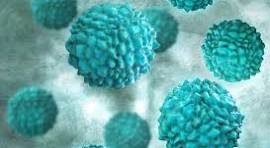
Norovirus can affect any age group, but higher risk groups include:
- Children under 5 years
- Elderly people (65+)
- People with weak immune systems
- Hospitalized patients
Children often spread the virus faster due to close contact and hygiene challenges.
Is Norovirus Contagious?
Yes, Norovirus is extremely contagious.
It can spread:
- Before symptoms appear
- During illness
- Even after recovery (up to 2 weeks)
This makes outbreaks difficult to control.
Countries & Regions Where Norovirus Is Common
Norovirus occurs globally, but outbreaks are more frequent in:
- North America
- Europe
- Japan
- Australia
Higher cases are reported during winter months, especially in cold and crowded regions.
How to Prevent Norovirus Infection
Prevention Tips:
- Wash hands thoroughly with soap and water
- Avoid touching face with unwashed hands
- Wash fruits and vegetables properly
- Cook seafood completely
- Disinfect contaminated surfaces
- Avoid close contact with infected individuals
- Stay home when sick
Alcohol-based sanitizers are less effective against Norovirus than handwashing.
Precautions That Need to Be Taken
- Isolate infected individuals
- Use gloves while cleaning vomit or stool
- Wash contaminated clothes with hot water
- Avoid preparing food while sick
- Clean surfaces with chlorine-based disinfectants
Home Remedies for Norovirus
There is no specific medicine to kill Norovirus, but symptoms can be managed.
Effective Home Remedies:
- Drink plenty of fluids (ORS, water, clear soups)
- Take small sips frequently
- Eat bland foods (bananas, rice, toast)
- Avoid dairy, spicy, or oily foods
- Rest adequately
Antibiotics are not effective against viral infections.
When to Visit a Hospital?
Seek medical attention if:
- Severe dehydration occurs
- Vomiting lasts more than 3 days
- Blood in stool or vomit
- High fever
- Severe abdominal pain
- Infants, elderly, or pregnant women show symptoms
Emergency care is needed if signs of severe dehydration appear (dry mouth, little urination, dizziness).
Is Norovirus Life-Threatening?
Most people recover fully, but complications can occur in:
- Elderly individuals
- Infants
- Immunocompromised patients
Prompt hydration and care reduce risks significantly.
Frequently Asked Questions (FAQs)
Q1: How long does Norovirus last?
Usually 1–3 days, but weakness may last longer.
Q2: Can you get Norovirus more than once?
Yes. Immunity is temporary, and reinfection is common.
Q3: Is there a vaccine for Norovirus?
Currently, no approved vaccine is available.
Q4: Can Norovirus spread through air?
It spreads mainly through contact and contaminated surfaces, but vomiting can release particles into the air.
Q5: Should children go to school if infected?
No. They should stay home for at least 48 hours after symptoms stop.
Conclusion
Norovirus, also known as the winter vomiting bug, is a highly contagious stomach infection that spreads rapidly but usually resolves on its own. Practicing good hygiene, staying hydrated, and taking early precautions can prevent complications.
Awareness and cleanliness remain the best defense against Norovirus outbreaks.