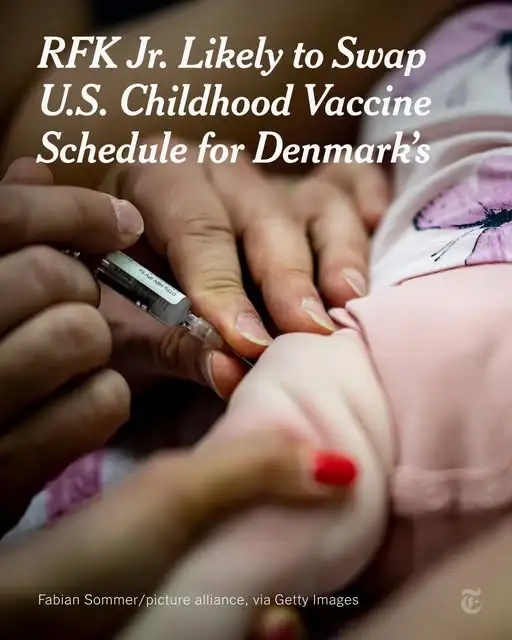
Denmark’s childhood vaccination programme plays a key role in protecting children from serious infectious diseases. The programme, managed by the Danish Health Authority and Statens Serum Institut, offers free, voluntary vaccines to all children living in Denmark. By focusing on prevention, the country has successfully reduced the spread of dangerous illnesses and maintained high public trust in immunisation.

The Denmark childhood vaccination schedule protects against ten major diseases, including diphtheria, tetanus, whooping cough, polio, Haemophilus influenzae type b, pneumococcal disease, measles, mumps, rubella, and human papillomavirus. These vaccines are chosen based on scientific evidence, disease risk, and long-term health benefits. They help prevent complications such as meningitis, pneumonia, paralysis, and certain cancers later in life.
Children usually receive their first vaccines at three months of age. Additional doses are given at five months and twelve months to build strong immunity. The measles, mumps, and rubella vaccine is provided at fifteen months and again at four years of age. A booster vaccine for diphtheria, tetanus, whooping cough, and polio is offered at five years.
At around twelve years old, children are offered the HPV vaccine. This vaccine protects against infections that can lead to several types of cancer in adulthood. In Denmark, the HPV vaccine is recommended for both girls and boys, supporting equal protection and improved public health outcomes.
Vaccination in Denmark is not mandatory, but it is strongly recommended by health professionals. Parents receive reminders to help them follow the schedule on time. All vaccines in the national programme are free of charge, making them accessible to families from all backgrounds. This approach supports herd immunity, protecting infants, elderly people, and individuals with weakened immune systems.
Denmark is internationally recognised for its careful monitoring of vaccine safety. Side effects are continuously recorded and studied through national health registers. This transparency helps maintain confidence and ensures that the vaccination programme remains safe, effective, and trustworthy.
In conclusion, Denmark’s childhood vaccines provide protection against preventable diseases. For parents, students, and educators, understanding the vaccination programme highlights the importance of prevention and responsibility.