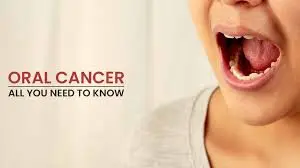
What Is Mouth (Oral) Cancer?
Mouth or oral cancer is a disease in which harmful cells grow in the mouth. It can affect the lips, tongue, gums, inner cheeks, roof, or floor of the mouth. Early detection can save lives.
How to Identify Mouth Cancer
Watch out for these warning signs:
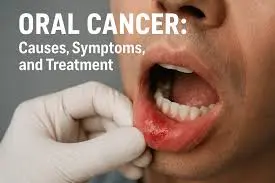
- Mouth sores or ulcers that do not heal in 2–3 weeks
- White or red patches inside the mouth
- Lumps or thick areas in the mouth or neck
- Pain, numbness, or burning sensation in the mouth
- Difficulty chewing, swallowing, or speaking
- Unexplained bleeding or loose teeth
If these signs persist, consult a doctor or dentist immediately.
What Causes Mouth Cancer?
Common risk factors include:
- Tobacco use (smoking or chewing)
- Betel nut, gutka, or pan masala
- Excessive alcohol consumption
- Poor oral hygiene
- HPV infection
- Long-term sun exposure (lip cancer)
Treatment Options
Treatment depends on how early the cancer is detected:
- Surgery to remove cancer
- Radiation therapy
- Chemotherapy
- Targeted therapy
Early diagnosis leads to better recovery.
How to Prevent Mouth Cancer
Simple steps can reduce risk:
- Say NO to tobacco and betel nut
- Limit alcohol intake
- Maintain good oral hygiene
- Eat healthy fruits and vegetables
- Go for regular dental check-ups
- Get mouth sores checked early
Who Is at Risk?
- Most common in people above 40 years
- Risk increases with long-term tobacco or alcohol use
- Younger people are also at risk due to unhealthy habits
Final Message
- Early detection saves lives.
- Check your mouth regularly.
- Avoid harmful habits.
- Spread awareness.
Frequently Asked Questions (FAQs)
1. What is mouth (oral) cancer?
Mouth cancer is a disease where abnormal cells grow in the mouth, including the lips, tongue, gums, and inner cheeks.
2. What are the early signs of oral cancer?
Common early signs include mouth ulcers that do not heal, white or red patches, lumps, and difficulty chewing or swallowing.
3. What causes oral cancer?
The main causes are tobacco use, chewing gutka or betel nut, alcohol consumption, poor oral hygiene, and HPV infection.
4. Is mouth cancer preventable?
Yes. Avoiding tobacco and alcohol, maintaining good oral hygiene, and regular dental check-ups can reduce the risk.
5. Who is most at risk?
People over 40 years of age and those who use tobacco or alcohol regularly are at higher risk.
6. Can oral cancer be cured?
Oral cancer can often be treated successfully if detected early.
7. When should I see a doctor?
If a mouth sore, lump, or patch lasts longer than two weeks, consult a doctor or dentist.