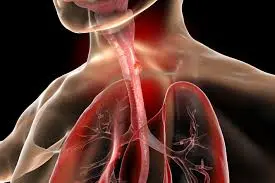
Esophageal cancer is a serious condition where abnormal cells grow in the esophagus, the tube that carries food from the mouth to the stomach. Early detection is crucial because esophageal cancer often shows few symptoms in the beginning. Understanding the causes, signs, prevention, and treatment can save lives.
How to Detect Esophageal Cancer
Early detection is challenging, but warning signs include:
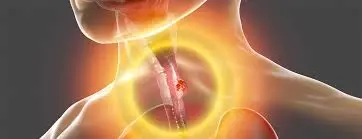
- Difficulty swallowing (dysphagia) – food feels stuck in the throat
- Unexplained weight loss
- Persistent heartburn or acid reflux
- Chest pain or pressure
- Hoarseness or chronic cough
- Vomiting or coughing up blood
- Indigestion or nausea that doesn’t improve
These symptoms can be caused by other conditions, but persistent signs should prompt a doctor visit.
Causes of Esophageal Cancer
Several factors increase the risk of developing esophageal cancer:
- Tobacco use (smoking or chewing)
- Excessive alcohol consumption
- Chronic acid reflux (GERD) leading to Barrett’s esophagus
- Poor diet (low in fruits and vegetables, high in processed foods)
- Obesity
- Human papillomavirus (HPV) infection
- Family history of esophageal cancer
- Age and gender (more common in men over 50)
Precautions and Prevention
Lifestyle changes and awareness can reduce risk:
- Quit tobacco and limit alcohol
- Eat a healthy diet rich in fruits, vegetables, and fiber
- Maintain a healthy weight
- Manage acid reflux with proper treatment
- Avoid very hot beverages frequently
- Get regular medical check-ups, especially if you have risk factors
Treatment of Esophageal Cancer
Treatment depends on cancer type, stage, and overall health:
- Surgery – Removing the affected part of the esophagus
- Radiation therapy – Using high-energy rays to destroy cancer cells
- Chemotherapy – Medicines that kill cancer cells
- Targeted therapy – Drugs that attack specific cancer cells
- Immunotherapy – Boosts the body’s immune system to fight cancer
Early-stage cancer has better treatment outcomes. Late-stage treatment may focus on improving quality of life.
Age Group Affected
- Most common in adults aged 50 and above
- Risk is higher in men than women
- Rare in younger adults unless there are strong genetic or lifestyle risk factors
Conclusion
Esophageal cancer is serious but preventable with healthy habits and early detection. Knowing the symptoms, avoiding risk factors, and seeking timely medical help can improve survival. Awareness is the first step toward prevention.