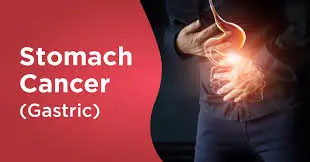
Stomach cancer, also known as gastric cancer, occurs when malignant (cancerous) cells form in the lining of the stomach. It is one of the most common cancers worldwide and can be life-threatening if not detected early. Understanding its causes, symptoms, and treatment options can help in early detection and prevention.
Causes of Stomach Cancer
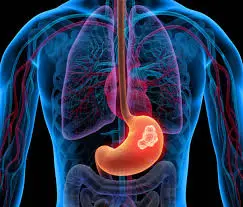
Several factors can contribute to the development of stomach cancer, including:
- Helicobacter pylori infection – A bacterial infection that can cause chronic inflammation in the stomach lining.
- Dietary factors – High intake of smoked, salty, or pickled foods may increase risk.
- Smoking and alcohol consumption – Both can damage the stomach lining over time.
- Genetic factors – Family history of stomach cancer increases risk.
- Certain medical conditions – Chronic gastritis, pernicious anemia, or previous stomach surgery.
Common Symptoms
Stomach cancer often develops slowly, and early symptoms may be subtle. Common signs include:
- Persistent indigestion or heartburn
- Stomach pain or discomfort
- Nausea and vomiting
- Loss of appetite and unexplained weight loss
- Feeling full quickly after eating
- Blood in vomit or stool (may appear dark)
These symptoms can also occur in less serious conditions. Consult a doctor if they persist.
Who is at Risk? (Age Group)
Stomach cancer is more common in adults over the age of 50, but it can affect younger individuals as well. Men are slightly more at risk than women. Other risk factors include a family history of gastric cancer, certain dietary habits, and chronic stomach inflammation.
Prevention
While not all cases of stomach cancer are preventable, the following measures can reduce your risk:
- Eat a diet rich in fresh fruits and vegetables
- Reduce consumption of smoked, salty, and processed foods
- Quit smoking and limit alcohol consumption
- Treat Helicobacter pylori infections promptly
- Maintain a healthy weight and lifestyle
- Regular medical check-ups if you have a family history of stomach cancer
Treatment Options
Treatment depends on the stage of cancer and may include:
- Surgery – Removing part or all of the stomach to eliminate cancer.
- Chemotherapy – Using drugs to kill cancer cells.
- Radiation therapy – Targeting cancer cells with high-energy rays.
- Targeted therapy and immunotherapy – Newer treatments that attack specific cancer cells or boost the immune system.
Early detection significantly increases the chances of successful treatment.
How Dangerous is Stomach Cancer?
Stomach cancer can be very dangerous, especially if detected at a late stage. It can spread to other organs like the liver, lungs, or lymph nodes, making treatment more difficult. The five-year survival rate depends on the stage at diagnosis, highlighting the importance of early detection.
FAQs About Stomach (Gastric) Cancer
1. What is the main cause of stomach cancer?
The most common causes include Helicobacter pylori infection, unhealthy dietary habits (high salt, smoked foods), smoking, alcohol, and genetic predisposition.
2. What are the early signs of stomach cancer?
Early symptoms can be subtle, such as indigestion, mild stomach discomfort, nausea, loss of appetite, or feeling full quickly.
3. At what age is stomach cancer most common?
It is more common in adults over 50, but it can occur in younger people, especially those with family history or other risk factors.
4. Can stomach cancer be prevented?
Yes, by eating a healthy diet, avoiding smoking and excessive alcohol, treating H. pylori infections, and regular check-ups for high-risk individuals.
5. How is stomach cancer treated?
Treatment depends on the stage and may include surgery, chemotherapy, radiation therapy, targeted therapy, or immunotherapy.
6. How serious is stomach cancer?
Stomach cancer can be very dangerous if detected late, as it may spread to other organs. Early detection improves survival rates significantly.
7. Can lifestyle changes reduce the risk?
Absolutely! Eating fresh fruits and vegetables, limiting salty and processed foods, maintaining a healthy weight, and avoiding tobacco and alcohol can reduce the risk.