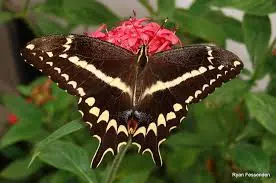
Butterflies are not just beautiful pollinators—they play a crucial role in maintaining ecosystems. However, some species like the Monarch, Karner Blue, and Schaus’ Swallowtail butterflies are facing severe threats, with some nearing extinction. Their decline is alarming, as it disrupts biodiversity and ecosystem balance.
Monarch Butterfly
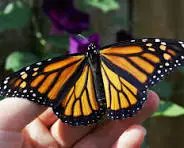
The Monarch butterfly is one of the most recognizable species, famous for its incredible migration across North America. Unfortunately, Monarch populations have declined dramatically due to:
- Habitat loss: Urban development and deforestation reduce milkweed, the plant their larvae feed on.
- Pesticides and herbicides: Chemicals used in agriculture kill both butterflies and their food sources.
- Climate change: Altered temperatures and storms affect migration and breeding.
Monarchs are now classified as endangered in some regions. Their disappearance would reduce pollination for many wildflowers and crops, affecting ecosystems and agriculture.
Karner Blue Butterfly
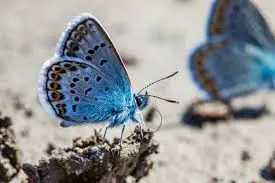
The Karner Blue butterfly is a small, vibrant butterfly native to parts of the U.S., relying on wild lupine plants for its survival. Its decline is mainly due to:
- Loss of pine barrens and oak savannas
- Invasive plant species replacing native lupines
- Fragmentation of habitats
The Karner Blue is listed as endangered, and without conservation efforts, local populations may disappear entirely. Its extinction would upset local plant-pollinator networks and affect species that depend on the same habitat.
Schaus’ Swallowtail Butterfly
Schaus’ Swallowtail, once common in southern Florida, is now critically endangered due to:
- Urbanization and wetland destruction
- Pesticide use
- Extreme weather events
This butterfly’s near extinction demonstrates how urban growth and human activity directly threaten species survival, causing imbalances in pollination and food webs.
Why Their Loss Matters
The decline of these butterflies affects biodiversity in multiple ways:
- Pollination disruption – Many plants depend on butterflies for reproduction.
- Food chain impact – Birds, insects, and other predators rely on butterflies as a food source.
- Ecosystem imbalance – Reduced butterfly populations can lead to overgrowth of some plants and decline of others, affecting overall ecological stability.
How to Help
Protecting these butterflies requires action at both individual and community levels:
- Plant native flowers like milkweed and lupine
- Reduce pesticide and herbicide use
- Support butterfly habitats and conservation programs
- Participate in citizen science projects to monitor populations
Conclusion:
The Monarch, Karner Blue, and Schaus’ Swallowtail butterflies are not just beautiful creatures—they are vital to ecological balance. Their decline highlights the urgent need for conservation. Protecting their habitats ensures healthy ecosystems and preserves biodiversity for future generations.